
01
Whole-Property Inspection
We check the attic, roof edge, soffits, vents, walls, garage, utility lines, lanai, and other reachable areas that may connect outside to inside.

Trapping · Entry sealing · Cleanup
Rodent Proofing · Rat Removal · Mouse Removal
Rodent exclusion closes the gaps rats and mice use to enter your Cape Coral property. We inspect the full building, match each opening with the right repair material, and document the finished work.
Calls answered 24/7Free inspectionWritten quote
4.9
Customer rating
Cape Coral service reviews
14+
Years serving
Cape Coral properties
4
Clear service steps
inspect through prevention
Problems we solve
Rodent exclusion protects the building after active rats or mice are gone. We check the attic, roof edge, soffits, garage, lanai, vents, utility lines, and outside walls. Each entry point receives a repair suited to its size, surface, and exposure to Florida weather.
Our solution
Service scope
The plan below covers the main parts of a rodent exclusion cape coral job. Any optional work is listed on its own, and nothing starts until you approve the written price.
We check the attic, roof edge, soffits, vents, walls, garage, utility lines, lanai, and other reachable areas that may connect outside to inside.
Traps are set along active paths and checked on a planned schedule. Catch counts and new signs guide each visit until activity stops.
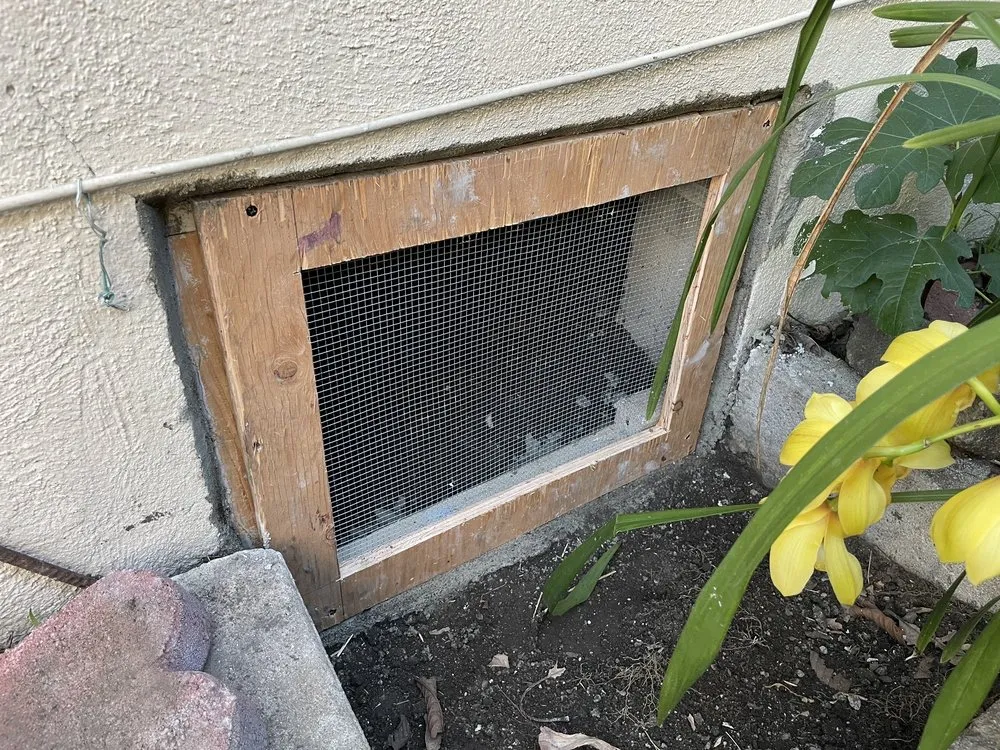
We match galvanized hardware cloth, sheet metal, copper mesh, mortar, or another suitable material to the size and location of each gap.
The work plan lists the repairs, cleanup, and follow-up you approve. Photos help you see what was found and what was closed.
Service options
One Cape Coral team can guide the work from inspection through removal, sealing, cleanup, and prevention under one written plan.
We close reachable gaps at roof returns, soffit corners, vents, fascia, tile edges, and other roofline areas linked to rodent signs.
We check low wall gaps, damaged stucco edges, vents, and spaces that give ground-level rodents access behind siding or into wall cavities.
We inspect garage door seals and the gaps around cooling lines, pipes, cable, conduit, and dryer vents.
Small gaps behind appliances, below cabinets, under sinks, and around supply lines can be closed after active mice are removed.
We look for torn screen, loose kickplates, and open connections where a pool cage or lanai meets the home.
Your plan lists the covered openings. Follow-up service checks the work and any fresh signs found during the stated coverage period.
Warning signs
Rats and mice often move after dark, so you may find signs before you see an animal. Request an inspection when one or more of these signs appear at your Cape Coral property.
(239) 445-0118 If trapping brings short relief but the sounds return, an entry point or nearby food source may still be supporting the problem.
Droppings in the garage, kitchen, and attic can mean rodents are moving through wall or ceiling spaces instead of staying in one room.
Daylight near an eave, vent, soffit, or roof corner may mark an opening that needs an outside inspection.
A hard, cracked, or curled bottom seal can leave wide gaps at the lower corners. These are common mouse routes into Cape Coral garages.
New damage around foam or thin screen shows that the patch did not form a strong barrier or did not cover the full opening.
Step by step
Every Cape Coral property follows these four steps. The order helps us remove active rodents before final entry point repairs are completed.
We check fresh signs, likely travel paths, and entry points, then explain what we found and provide a written plan.
Traps are placed in protected locations along confirmed routes. We monitor the results before closing the final openings.
Each approved gap is closed with a hard material that fits the roof, soffit, wall, door, vent, or utility surface.
We handle the agreed cleanup, review the finished repairs, and show you yard and storage changes that can reduce future activity.
Local rodent service in Cape Coral
Request a free inspection. We will show you the signs and entry points we find, explain the repair options, and provide a written price before work starts.
Local service standards
Serving local properties since 2012. Our work focuses on rats and mice in Cape Coral attics, soffits, garages, and lanais. We connect removal with entry point repair because both parts support a longer-lasting result.
Different gaps need different materials. A door edge, roof return, pipe hole, and soffit panel should not all receive the same quick patch.
Roof rats often enter above eye level, while mice may use garage and wall gaps. Our inspection considers both parts of the building.
Photos, visit notes, and a written scope show what was found, what was approved, and what to watch after the service.
Talk with a Cape Coral technician
Free inspection · Flexible scheduling · Written price
Cape Coral local insight
Cape Coral homes have features that shape local rodent problems. Most are built on concrete slabs, so there is often no basement or crawl space below the home. That makes the attic, roof edge, garage, and wall openings more important during an inspection. Roof rats usually travel high, while house mice often enter near doors, pipes, or food storage areas.
Canals, seawalls, thick plants, fruit trees, pool cages, docks, and outdoor storage can also support rodent travel. A rat may move along the protected edge of a yard, climb a cage frame, and reach a soffit without crossing much open ground. This is why the inspection should cover the property as well as the room where you first noticed a sound or dropping.
A useful repair closes the full opening with a material the target rodent cannot easily chew or move. A house mouse can use a gap near one-quarter inch. A young rat may enter through a space near one-half inch. The repair must reach solid material on every side and should fit the part of the home being repaired.
Common repair materials include galvanized hardware cloth, sheet metal, copper mesh, mortar, and solid building parts. Foam and caulk can help block air or water after the hard barrier is in place, but they should not serve as the only defense. The CDC guide to sealing rodent entry points also lists areas you can check inside and outside your home.
Two entry points deserve special attention in Cape Coral. The first is a roof return, where the soffit ends against another roof section. The outside may look complete while the inner corner remains open to the attic. The second is a loose soffit panel. Wind can push one panel out of its channel and leave a long section of the eave open.
Sealing protects the building, but simple yard care can make the property less useful to rodents. Pick ripe mangoes and citrus, clear fallen fruit, and store pet food and bird seed in hard containers. Repair leaking taps and irrigation lines. Thin heavy plants beside walls, and trim safe branches or palm fronds that touch the roof.
Canal homes should also include the lanai and dock in routine checks. Clean nesting material out of dock boxes, stored boat covers, outdoor cabinets, and quiet pool equipment areas. Repair torn screens and loose kickplates. These steps will not replace trapping or sealing, but they can reduce the number of rodents that stay close to the home.
For species-focused help, read about rat control for attic and roofline activity or mouse control for kitchens, garages, and low wall spaces. You can also use our guide to sealing a Cape Coral home against roof rats for a room-by-room checklist.
Reviews
Recent feedback from Cape Coral customers on inspections, removal, repair work, cleanup, and follow-up visits.
4.9 out of 5 from recent reviews
We heard something running across the bedroom ceiling every night right after sunset. The tech got up in the attic, came down with photos, and showed us an open roof return on the back corner that we never knew existed. Traps for about ten days, then metal over the opening. Completely silent since.
Droppings kept turning up in the cabinet under the kitchen sink. He tracked it to the gap around the A/C line set and a second one behind the dishwasher, set traps along the baseboard, and came back twice to check them. The invoice matched the quote to the dollar.
We run a small restaurant off Cape Coral Parkway and needed real documentation for our health inspection. They built the service schedule around our closing hours and left photos and written notes after every visit. We never lost a night of service.
The smell in our hallway got unbearable and we had no idea where it was coming from. He narrowed it to one wall cavity, cut a small access panel, removed the rat, treated the area, and patched it so well you cannot find the spot now.
Rats were coming off the seawall and getting into the pool cage, then up onto the roof. He walked the whole property with me, showed me the chewed screen panel and where the cage ties into the house, and gave me one flat price for the entire job.
I bought traps from the hardware store for a solid month and caught nothing. Their crew put traps where the rats were actually travelling, cleared the attic in under two weeks, then sealed every soffit gap along the back of the house. Should have called them first.
Areas we service
We serve every Cape Coral ZIP code, including 33904, 33909, 33914, 33990, 33991, 33993. We work from the Burnt Store corridor and Pelican through Sandoval, Trafalgar, Del Prado, Cape Harbour, Tarpon Point, downtown Cape Coral, and the nearby communities listed here. Tell us your neighborhood and whether the property is on a canal so we can plan the right inspection.
Rodent Exclusion
4725 Del Prado Blvd S, Suite 200, Cape Coral, FL 33904
Monday to Friday: 7:00 AM to 7:00 PM
Common questions
Tell a technician about the droppings, sound, or gap at (239) 445-0118. We can explain what the signs may mean and help you decide whether to book an inspection.
Cost depends on the size of the building, the species, the number and height of entry points, the repair material, and the amount of cleanup. A small garage mouse problem is different from a full attic rat problem. Your inspection ends with a written price for the exact work you choose.
Final sealing should wait until active rodents are out. Closing an occupied attic or wall can trap animals inside, leading to new chewing or odor. Some openings may be managed during trapping, but the order depends on the inspection and the travel routes we find.
Many trapping plans take about one or two weeks, but the time changes with the size of the problem and the building. A standard sealing visit may fit into one workday. Large homes, steep roofs, damaged soffits, and hard access can require more time.
Your service agreement lists the entry points, repairs, and coverage period included in the job. Keep that document and the photos. If you find fresh signs later, they help show whether an old repair changed or a new opening appeared.
Free inspection · Written quote
A local technician will check the main entry areas, explain the signs, and prepare a clear plan for removal, sealing, cleanup, and prevention.