01
Inspect before we recommend
A useful plan starts with evidence. We check the active areas and reachable entry points, then explain what we found, what you may be able to handle, and what needs trained help.

Serving local properties since 2012
We help homes and businesses in Cape Coral and nearby Lee County communities solve rat and mouse problems. Our work covers the full path from inspection and removal to entry point repair, cleanup, and prevention.
Our approach
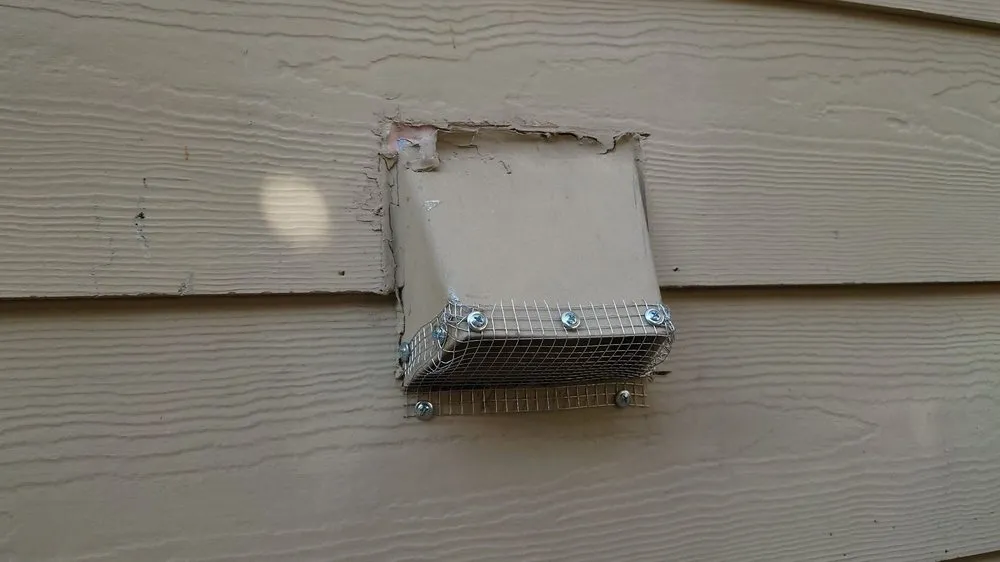
We started in 2012 with a simple idea. A rodent service should deal with the animals and the building. Traps can remove active rats or mice, but the same problem can return when a loose soffit, open roof return, worn garage seal, or utility gap stays open. Our plans connect removal with repair. You can learn about each option on our rat control, mouse control, and rodent exclusion pages, or see how the whole job fits together on our main service page.
Our technicians check attics, roof edges, soffits, garages, lanais, and outside walls across Cape Coral. A full service may use galvanized hardware cloth, sheet metal, copper mesh, mortar, or a solid building repair. The material must fit the opening and stand up to chewing. We use photos and written notes so you can follow what was found and what was changed.
Local construction helps guide the inspection. Many homes here have block and stucco walls on a concrete slab, so the attic and roofline often need close attention. Roof rats may use an open roof return, a loose soffit panel, a damaged vent, or a gap below tile. House mice are more likely to use garage corners, pipe openings, cabinet gaps, or the space around an air conditioning line. Pool cage connections can also create a climb to the roof.
Canals, seawalls, fruit trees, palms, pool cages, and outdoor storage also shape local activity. Roof rats can move along protected yard edges and climb from a dock or lanai area toward the roof. The warm climate keeps rats and mice active in every season. Summer rain may push them toward dry shelter, while a cool winter night may move them toward a warm attic or garage.
Our indoor plans center on protected trapping and physical sealing. We do not place loose poison in living areas. If a property needs an outdoor station, it stays locked and is placed with care. We explain every device and ask customers to keep children and pets away from service areas.
We want every customer to understand the work. That means showing the signs, explaining the repair options, providing a written price, and giving clear updates. For regional public health information, residents can also visit the Florida Department of Health in Lee County for regional guidance.
What guides our work
These standards keep the inspection, removal, repairs, and follow-up clear from the first visit to the last.
A useful plan starts with evidence. We check the active areas and reachable entry points, then explain what we found, what you may be able to handle, and what needs trained help.
Trapping removes the rats or mice already inside. Sealing closes the paths that brought them in. Our plans connect both parts so a short quiet period can become lasting control.
You see the written scope and price before work starts. Optional repairs or cleanup are listed on their own, which makes it easier to choose the service that fits your property.
We record the entry points included in the job and explain the written coverage for those repairs. Photos help you see what changed and what to watch after the service.
Where we work
We help homes and businesses across every Cape Coral ZIP code and the nearby communities below. Same-day and next-day visits may be available when the schedule allows.
Local rodent service in Cape Coral
Request an inspection. We will explain the signs, show you the entry points we find, and provide a written plan before work starts.