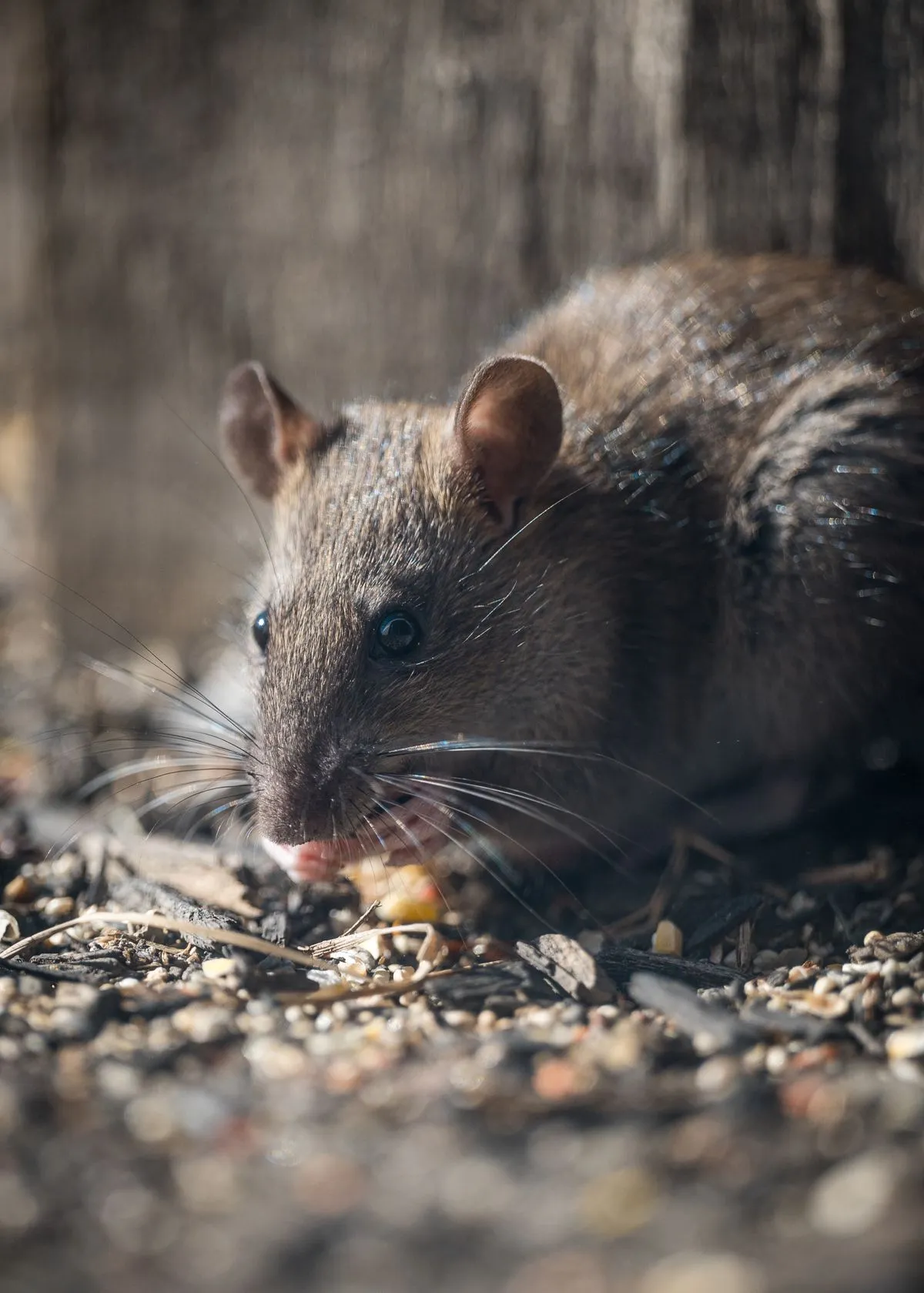

Southwest Florida does not have one short rodent season. Rats and mice stay active throughout the year because the weather remains mild and food is often available. What changes is where they find dry shelter, easy water, and fruit.
Knowing these patterns can help you time a home check. It also explains why a new sound in the attic may appear after a storm or a cold front even when rodents have been on the property for much longer.
Summer rain from June through September
Daily storms can soak low ground, fill swales, and flood brushy cover. Rodents that were hiding near the ground may look for a drier place. A garage, wall space, soffit, or attic can become more useful during a wet week.
Roof rats already spend much of their time above ground. They climb palms, shrubs, fences, and pool cages. A dry attic is only one more step if the roof edge has an opening.
Storms can also change the building. Wind may push a soffit panel out of its track. Old vent screen can tear. Weak closure material below roof tile can break. A small storm opening may stay unnoticed for months because it is hard to see from the yard.
During the rainy months:
- Walk the eaves and soffit line after strong storms.
- Look for loose panels, torn screens, and new gaps.
- Clear fallen fruit before it breaks down.
- Keep garage and lanai doors closed when they are not in use.
- Act on new attic sounds before the activity spreads.
Do not climb onto a wet roof. Use phone zoom or binoculars from the ground, and call the right professional when a closer roof check is needed.
Dry months from October through May
When rain slows, low outdoor cover becomes drier again. This may reduce some pressure on the home, but rodents that already have a safe nest may not leave. An attic offers steady shelter, and nearby yards can still provide food.
Water becomes more important during dry weather. A leaking hose tap, broken irrigation head, pet bowl, clogged gutter, or pool deck puddle can keep rodents close to the building. A canal may be nearby, but easy water beside a wall is safer and faster to reach.
Fruit can also support activity through much of the dry season. Citrus, loquat, sea grape, mango, and other plants ripen at different times. Fallen fruit can feed rats night after night.
During the dry months:
- Fix leaks and adjust irrigation.
- Empty standing water near walls and storage.
- Pick ripe fruit and clear fallen pieces.
- Store bird seed and pet food in hard containers.
- Check garage door seals for sunlight at the lower corners.
These simple steps do not remove rats or mice that already live inside, but they can make the property less useful to new rodents.
Cold fronts from December through February
Cape Coral can have cool nights even without a hard winter. A short cold front may push rodents toward warmer shelter. Attics, walls near ductwork, garages, and water heater areas can become more active.
A homeowner may hear movement for the first time during one of these cool spells. That does not always mean the rodent arrived that night. It may have moved from the yard, lanai, or garage into a warmer part of the same property.
Seasonal homes need extra care. A quiet house can give rodents months without regular checks. Owners may return to droppings, damaged packages, attic trails, or an odor that built while the property was empty.
Before leaving a seasonal home:
- Move all open food into sealed hard containers.
- Remove trash, bird seed, and pet food.
- Clear fruit and nesting material from the yard and lanai.
- Check garage seals, soffits, and vents.
- Ask a trusted person to watch for new damage after storms.
An inspection before a long vacancy can be more useful than waiting until the home is opened again.
Conditions that stay the same all year
Some local facts do not change with the month:
- Rats and mice can breed indoors in every season.
- A protected attic or wall offers shelter in wet, dry, warm, and cool weather.
- Canals and seawalls give rodents long travel edges around many neighborhoods.
- Fruit, seed, pet food, and trash can supply food at any time.
- Small building gaps remain open until they are repaired.
This is why waiting for a season to end rarely solves an indoor problem. The noise may stop for a few days, but the entry point and nest can remain.
Strong scents, mothballs, and plug-in sound devices are not a year-round solution. They do not remove an active population or create a hard barrier. Rodents may avoid one small area, then use another route.
A simple yearly prevention plan
Before summer rain: Check soffits, vents, roof returns, lanai screens, dock storage, and branches near the roof. Repair old storm damage.
During wet months: Look again after strong wind. Clear fruit and report new attic sounds early.
At the start of dry weather: Fix leaks, clean gutters, protect stored food, and thin dense plants beside walls.
During winter cold fronts: Watch garages, attic access areas, water heater spaces, and rooms where you hear new wall sounds.
Before a long vacancy: Remove food and trash, inspect the building, and plan regular outside checks.
Keep a few clear photos when you inspect. If a soffit panel, vent, or garage seal changes later, the older photo can make the damage easier to spot.
For a detailed outside checklist, read how to seal a Cape Coral home against roof rats. If you hear movement now, use our guide to identifying the rodent in your attic.
Our rat control service covers attic and roofline problems. Mouse control focuses on kitchens, garages, and low walls. For full entry point inspection and repair, see rodent exclusion.
- #seasonality
- #roof rats
- #prevention
- #Cape Coral